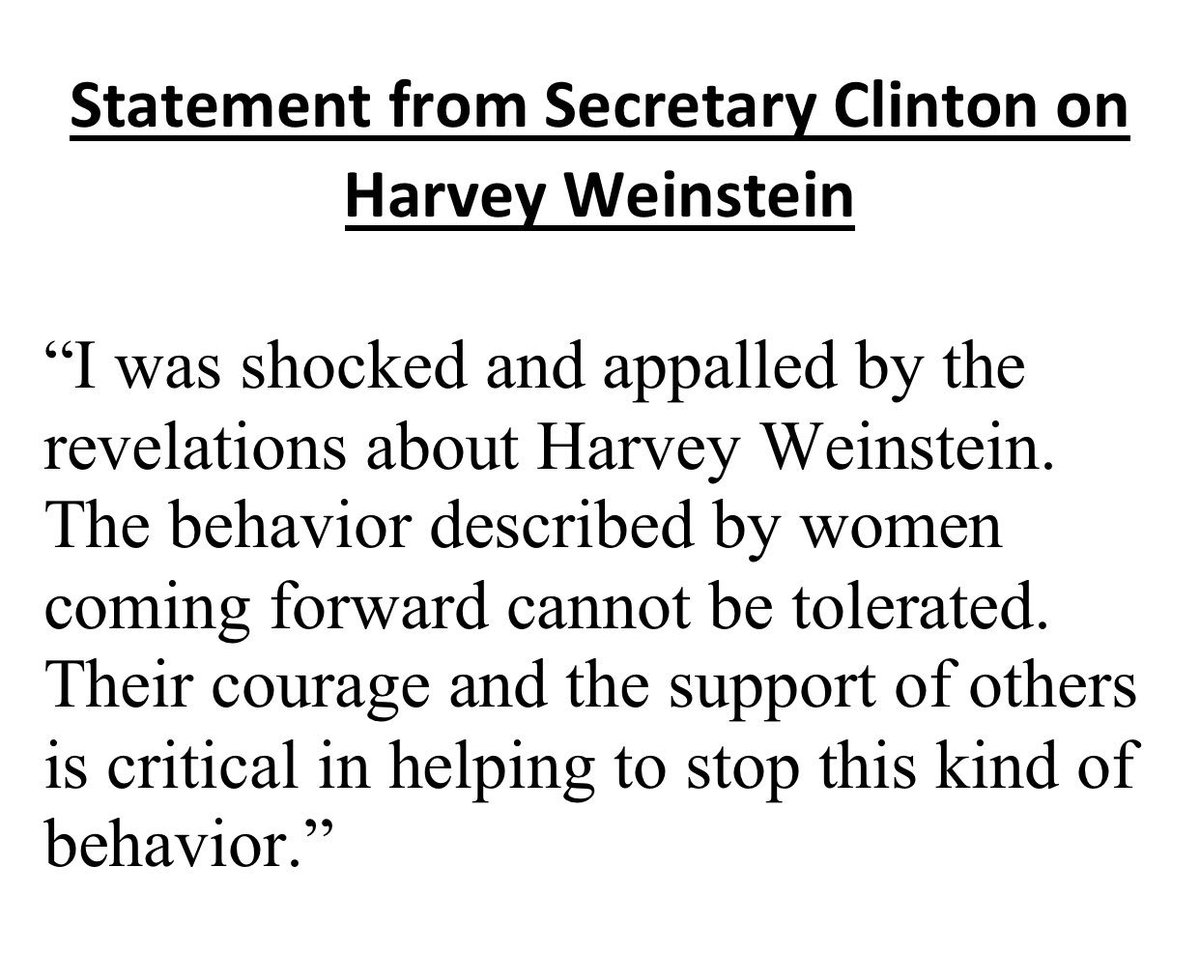
Can you believe it?
Loved C.I.'s "Bush's war?" because it was so on point.
Democrats signed on to the war.
They can lie and pretend otherwise now all they want.
But they did.
And when that vote went through Congress, the Dems controlled the Senate.
They let us down then.
The Iraq War is still going on -- we saw another US service member die this month.
Despite the Dems promise to end it in 2007 if we would only give them control of one house in the 2006 mid-terms.
They let us down.
They didn't end it.
And we gave them control of both houses and they didn't end it.
Two years later, we also gave them the control of the White House.
From the start of 2009 to the start of 2011, they controlled the White House, the House of Representatives and the Senate.
And they still couldn't end the war.
Excuse me -- they still wouldn't end the war.
How long are we going to let the War Party lie to us?
That's the Dems and the Repubs.
Here's C.I.'s "Iraq snapshot:"
Thursday, October 12, 2017. How corrupt is Iraq's non-representative government?
Oil rich Iraq is ranked 78 out of 119 countries on the International Food Policy Research Institute's global hunger index.
The government of oil rich Iraq can't feed its people?
By gun and by bomb, the US-led coalition imposed on Iraq early on to do away with the rations program. Though it still exists, they were able to get Iraq to lessen what they supplied families with. Further cuts to the program, according to MPs in Parliament, will result from the payments Iraq has to make to the IMF for the loans (loans Grand Aytalollah Ali al-Sistani publicly opposed for this and other reasons of self-determination).
Last year, Matt Egan (CNN MONEY) reported:
Iraq is pumping more oil than ever before, even as ISIS-fueled chaos grips parts of the Middle Eastern country.
Iraq, which relies on oil to fund nearly its entire government, increased daily oil production to an all-time high of 4.5 million barrels in May, according to estimates from research firm JBC Energy.
That's up by 100,000 barrels a day from April and helps fill the void left by big outages in Nigeria and Canada. It's also about 2 million barrels a day more than what Iraq was pumping before the 2003 U.S. invasion.
Ruba Hasari (Middle East Institute) noted last year:
Since the beginning of 2016, Iraq has allocated about 236 million barrels of crude or some 30 percent of its total exports to end August for payments to IOCs.[1] Based on the average price Iraqi oil fetches on the market, those barrels were worth some $7.7 billion. The biggest chunk of this went to the payment of arrears to IOCs from 2015. For 2016, the Iraqi oil ministry budgeted total spending for all oilfields being developed by IOCs at $9.5 billion. This will help maintain output at close to its current levels, but not expand it significantly. Just how the I.M.F. expects Iraq to clear all arrears before the beginning of the program, and increase the spending to speed up the development of the oilfields to generate more revenue, while staying debt free, is a mystery.
The terms of the 11 contracts Iraq signed with IOCs since 2009 to develop its southern oil fields requires the ministry to pay back quarterly, in kind, all the cost incurred by the companies, in addition to a fee per barrel produced.
When the oil price was high, allocating the barrels was no issue. At $100 per barrel for the Brent benchmark, just 500,000 barrels of Iraqi export crude were enough to repay IOCs $1.5 billion/month. The remaining crude produced was enough to generate the revenues to satisfy Iraq’s budgetary needs. To keep payments at that rate when the oil price hit $30/barrel (or bbl), Iraq had to allocate more than three times that volume. This is more than 50 percent of its total oil exports that represent close to 90 percent of its budgeted revenues. Iraq had less oil to export and at a lower price, generating less and less revenues. Early this year, when Brent crossed the $30 bar, Iraqi crude fetched $22 and $23/bbl in January and February.
The CIA estimates the population of Iraq to be 38.1 million (no census has been done in Iraq since the US-led coalition overthrew then-President Saddam Hussein) and the Gross Domestic Product in 2016 to have been $173 billion.
$173 billion.
38.1 million people.
Do you see the problem?
That's approximately $4 billion per person in Iraq.
But poverty increases each year in Iraq -- and the bombs and bullets have turned it into a nation of widows and orphans.
On the most recent Corruption Index, Transparency International ranked Iraq as the 166 least transparent countries out of 176 ranked.
Corruption continues to run rampant in Iraq.
That's why so many live in poverty.
That's why former prime minister Nouri al-Maliki entered office still struggling for money but his family now lives large and his spoiled son has homes all over the world with several sports cars parked at each home (Nouri got him government jobs and, no, the government jobs did not provide the salary for the life he leads).
The US-imposed politicians have stolen repeatedly from the people of Iraq.
It's one of the reasons Shi'ite cleric and movement leader Moqtada al-Sadr calls out the vast corruption and it's one of the reasons crowds turn out to protest the corruption.
But the people of Iraq don't really figure into the western media.
Instead, it's forever portrayals of that supposedly improved Iraqi military.
But talk to any of the US service members that were 'training and assisting' and you'll get a different report.
You'll hear that without the US-led bombings and without US-led coaching, the military remains a huge disappointment and still can't protect Iraq on their own.
The desertion rates remain high, you'll be told, and there's not a great push to accomplish much of anything (you'll hear that the Shi'ite militias -- now part of the official forces thanks to Prime Minister Hayder al-Abadi -- are eager to fight and don't need the prodding the Iraqi army does).
Of course, you won't.
The Kurdish Peshmerga is a stronger force.
If attacked, you give them all the more reason to fight.
The verbal attacks Hayder has already launched -- and the threats -- have only resulted in the drawing the Kurds closer in response to an external enemy.
It has been a huge mistake to react to the poll at all -- the Kurdish referendum. It's not being implemented -- the results -- which were over 90% of Kurds want independence from Baghdad. But the attack on the region and the government for doing what the people wanted -- a poll -- has been over the top and only hardened attitudes.
If Hayder wants to be a leader of all of Iraq, he sure doesn't know how to demonstrate it.
The following community sites -- plus Jody Watley -- updated:
iraq iraq iraq iraq iraq iraq iraq iraq iraq iraq iraqiraq iraq iraq iraq iraq iraq
iraq iraq iraq iraq iraq iraq iraq iraq iraq iraq iraq iraqiraq iraq iraq iraq iraq iraq
iraq iraq iraq iraq iraq iraq iraq iraq iraq iraq iraq iraqiraq iraq iraq iraq iraq iraq
iraq iraq iraq iraq iraq iraq iraq iraq iraq iraq iraq iraq iraq iraq iraq iraq iraq Iraq
Oil rich Iraq is ranked 78 out of 119 countries on the International Food Policy Research Institute's global hunger index.
The government of oil rich Iraq can't feed its people?
By gun and by bomb, the US-led coalition imposed on Iraq early on to do away with the rations program. Though it still exists, they were able to get Iraq to lessen what they supplied families with. Further cuts to the program, according to MPs in Parliament, will result from the payments Iraq has to make to the IMF for the loans (loans Grand Aytalollah Ali al-Sistani publicly opposed for this and other reasons of self-determination).
Last year, Matt Egan (CNN MONEY) reported:
Iraq is pumping more oil than ever before, even as ISIS-fueled chaos grips parts of the Middle Eastern country.
Iraq, which relies on oil to fund nearly its entire government, increased daily oil production to an all-time high of 4.5 million barrels in May, according to estimates from research firm JBC Energy.
That's up by 100,000 barrels a day from April and helps fill the void left by big outages in Nigeria and Canada. It's also about 2 million barrels a day more than what Iraq was pumping before the 2003 U.S. invasion.
Ruba Hasari (Middle East Institute) noted last year:
Since the beginning of 2016, Iraq has allocated about 236 million barrels of crude or some 30 percent of its total exports to end August for payments to IOCs.[1] Based on the average price Iraqi oil fetches on the market, those barrels were worth some $7.7 billion. The biggest chunk of this went to the payment of arrears to IOCs from 2015. For 2016, the Iraqi oil ministry budgeted total spending for all oilfields being developed by IOCs at $9.5 billion. This will help maintain output at close to its current levels, but not expand it significantly. Just how the I.M.F. expects Iraq to clear all arrears before the beginning of the program, and increase the spending to speed up the development of the oilfields to generate more revenue, while staying debt free, is a mystery.
The terms of the 11 contracts Iraq signed with IOCs since 2009 to develop its southern oil fields requires the ministry to pay back quarterly, in kind, all the cost incurred by the companies, in addition to a fee per barrel produced.
When the oil price was high, allocating the barrels was no issue. At $100 per barrel for the Brent benchmark, just 500,000 barrels of Iraqi export crude were enough to repay IOCs $1.5 billion/month. The remaining crude produced was enough to generate the revenues to satisfy Iraq’s budgetary needs. To keep payments at that rate when the oil price hit $30/barrel (or bbl), Iraq had to allocate more than three times that volume. This is more than 50 percent of its total oil exports that represent close to 90 percent of its budgeted revenues. Iraq had less oil to export and at a lower price, generating less and less revenues. Early this year, when Brent crossed the $30 bar, Iraqi crude fetched $22 and $23/bbl in January and February.
The CIA estimates the population of Iraq to be 38.1 million (no census has been done in Iraq since the US-led coalition overthrew then-President Saddam Hussein) and the Gross Domestic Product in 2016 to have been $173 billion.
$173 billion.
38.1 million people.
Do you see the problem?
That's approximately $4 billion per person in Iraq.
But poverty increases each year in Iraq -- and the bombs and bullets have turned it into a nation of widows and orphans.
On the most recent Corruption Index, Transparency International ranked Iraq as the 166 least transparent countries out of 176 ranked.
Corruption continues to run rampant in Iraq.
That's why so many live in poverty.
That's why former prime minister Nouri al-Maliki entered office still struggling for money but his family now lives large and his spoiled son has homes all over the world with several sports cars parked at each home (Nouri got him government jobs and, no, the government jobs did not provide the salary for the life he leads).
The US-imposed politicians have stolen repeatedly from the people of Iraq.
It's one of the reasons Shi'ite cleric and movement leader Moqtada al-Sadr calls out the vast corruption and it's one of the reasons crowds turn out to protest the corruption.
But the people of Iraq don't really figure into the western media.
Instead, it's forever portrayals of that supposedly improved Iraqi military.
But talk to any of the US service members that were 'training and assisting' and you'll get a different report.
You'll hear that without the US-led bombings and without US-led coaching, the military remains a huge disappointment and still can't protect Iraq on their own.
The desertion rates remain high, you'll be told, and there's not a great push to accomplish much of anything (you'll hear that the Shi'ite militias -- now part of the official forces thanks to Prime Minister Hayder al-Abadi -- are eager to fight and don't need the prodding the Iraqi army does).

#BREAKING: #Iraq|i PM @HaiderAlAbadi says "We will not use our army against our people or fight a war against our Kurdish citizens & others"

Of course, you won't.
The Kurdish Peshmerga is a stronger force.
If attacked, you give them all the more reason to fight.
The verbal attacks Hayder has already launched -- and the threats -- have only resulted in the drawing the Kurds closer in response to an external enemy.
It has been a huge mistake to react to the poll at all -- the Kurdish referendum. It's not being implemented -- the results -- which were over 90% of Kurds want independence from Baghdad. But the attack on the region and the government for doing what the people wanted -- a poll -- has been over the top and only hardened attitudes.
If Hayder wants to be a leader of all of Iraq, he sure doesn't know how to demonstrate it.
The following community sites -- plus Jody Watley -- updated:
- Meryl9 hours ago
- Weeks away9 hours ago
- Harassment and rape9 hours ago
- Stop the b.s. already10 hours ago
- Long John Silver's11 hours ago
- When you work with assh*les11 hours ago


- vote schmucks12 hours ago
- Goes to judgment and ethics13 hours ago


iraq iraq iraq iraq iraq iraq iraq iraq iraq iraq iraqiraq iraq iraq iraq iraq iraq
iraq iraq iraq iraq iraq iraq iraq iraq iraq iraq iraq iraqiraq iraq iraq iraq iraq iraq
iraq iraq iraq iraq iraq iraq iraq iraq iraq iraq iraq iraqiraq iraq iraq iraq iraq iraq
iraq iraq iraq iraq iraq iraq iraq iraq iraq iraq iraq iraq iraq iraq iraq iraq iraq Iraq